China adds 107 drugs to its reimbursement list, a record 51 of them innovative
The 2026 National Reimbursement Drug List removes 34 drugs and totals 3,331. A second, commercial insurance list adds 12 innovative drugs, including a CAR-T for solid tumours. The basic list takes effect on 1 January 2027.
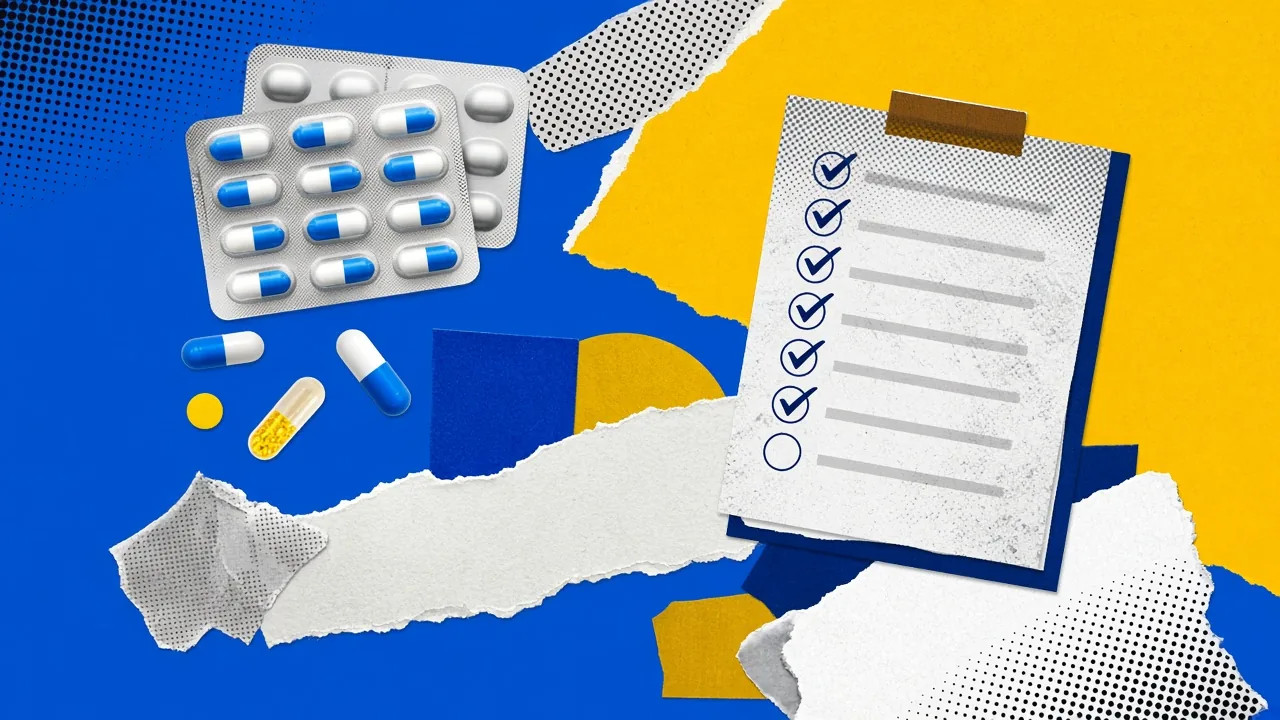
China’s National Healthcare Security Administration (国家医疗保障局, NHSA) and the Ministry of Human Resources and Social Security published the 2026 National Reimbursement Drug List on 14 November at a conference in Suzhou — formally, the drug list for basic medical insurance, maternity insurance and work-injury insurance — together with the second edition of the Commercial Health Insurance Innovative Drug List. The basic list adds 107 drugs, 51 of them Class 1 innovative drugs (1类创新药), a record, according to Xinhua and CCTV News, both citing the NHSA. It is the ninth adjustment since the NHSA was set up. The new basic list takes effect on 1 January 2027, Xinhua reported. At the time of reporting, the NHSA website had not yet posted the notice or the annexes naming the drugs.
The additions cover oncology, rare diseases, chronic diseases and mental illness, among other areas the NHSA describes as clinically urgent. At the same time, 34 drugs were removed for limited clinical value, because better alternatives exist, or because label information was missing and the drug could not be supplied, CCTV News reported. After additions, removals and the merging of dosage forms, the list totals 3,331 drugs: 1,935 Western medicines and 1,396 traditional Chinese medicines. In the 2025 round, 114 drugs were added, 50 of them Class 1 innovative drugs, according to the Chinese government, and the list totalled 3,253, according to the Wuhan government.
The commercial list, created last year for high-cost innovative drugs that the basic list does not cover, adds 12 drugs and now has 28, according to an NHSA official quoted by CCTV News. The new entries include the world’s first CAR-T therapy for solid tumours and China’s first gene therapy for haemophilia; The Paper (澎湃新闻) reported that the 12 come from 11 companies and include two CAR-T therapies. Drugs on this list are not paid for by basic medical insurance: they are meant to be covered by commercial health insurance, at prices the companies negotiated on site with insurers and other parties, according to the Economic Observer (经济观察报). NHSA head Zhang Ke (章轲) told the conference that two drugs from the 2025 commercial list have now moved into the basic list and keep the exclusion policies that support them, Cailian Press (财联社) reported. STAR Market Daily (科创板日报) reported that one of the two is JW Therapeutics’ CAR-T therapy relmacabtagene autoleucel (瑞基奥仑赛).
Neither Xinhua nor CCTV gave price cuts, a negotiation success rate or the names of the companies whose drugs got in; the NHSA had not published those details at the time of reporting. Companies began naming their own entries on Saturday: Eli Lilly said its ulcerative colitis and Crohn’s disease drug mirikizumab is on the new list, Innovent Biologics said seven of its products are, counting new indications and renewals, including the GCG/GLP-1 drug mazdutide, and Zai Lab said its schizophrenia drug xanomeline-trospium and a subcutaneous form of efgartigimod alfa were added for the first time, according to their statements carried by Sina Finance. At the 5–8 September negotiations, 124 drugs not on the list reached the negotiation and bidding stage, from more than a hundred Chinese and foreign companies, and more than ten multinationals, including AstraZeneca, Pfizer, Roche and Novartis, were seen at the venue, the Economic Observer reported. In the 2025 round, new drugs came in at prices 63% lower on average, according to the Wuhan government, and the NHSA gave provinces until the end of December to list them on provincial procurement platforms, at prices no higher than the payment standard set in the list. A 10 November notice from four central departments on the use of innovative drugs, reported by Sina Finance, widens exemptions from hospital cost and formulary limits and asks hospitals at Grade II and above to convene their pharmacy committees promptly and add eligible Class 1 drugs to their formularies.
CSP take: for foreign drugmakers, a place on the national list means a national reimbursement price and a way into Chinese hospitals, usually after tough price negotiations. The record share of Class 1 innovative drugs — 51 of 107 — shows how much of that access now goes to new molecules. For suppliers of pharmaceutical ingredients and hospital products, the 1 January date sets the timetable; until the annexes are out, check the list before assuming a product got in. Chinese healthcare companies are also in the spotlight abroad, from the Pentagon’s decision on WuXi AppTec to United Imaging’s factory in Joinville. This is CSP’s reading, not the NHSA’s.
Original sources
- [object Object]
- [object Object]
- [object Object]
- [object Object]
- [object Object]
- [object Object]
- [object Object]
- [object Object]
- [object Object]
- [object Object]
- [object Object]
- [object Object]
- [object Object]
- [object Object]
CSP take marks the newsroom's interpretation; everything else comes from the cited sources.
How to cite: China Sourcing Post (chinasourcingpost.com), “China adds 107 drugs to its reimbursement list, a record 51 of them innovative”, 2026-11-14. https://chinasourcingpost.com/en/news/china-nrdl-2026-adds-107-drugs-51-class-1-innovative/
Read next
 Health & pharma
Pentagon drops WuXi AppTec from its ‘Chinese military companies’ list, but leaves the door open
 Health & pharma
China's medical device exports rise 14% as makers take rehab robots and AI ventilators abroad
 Health & pharma
A phone-linked capsule endoscope and a Chinese surgical robot look for buyers abroad
More in Health & pharma
Sourcing Briefing
What changed in China sourcing, in your inbox every weekday.