China's factory-gate prices rise 5.7% in October, driven by energy and chemicals
Prices factories pay for inputs rose 7.9% year on year. Chemicals, chemical fibres and non-ferrous metals got dearer; clothing and cars left the factory cheaper than a year ago.
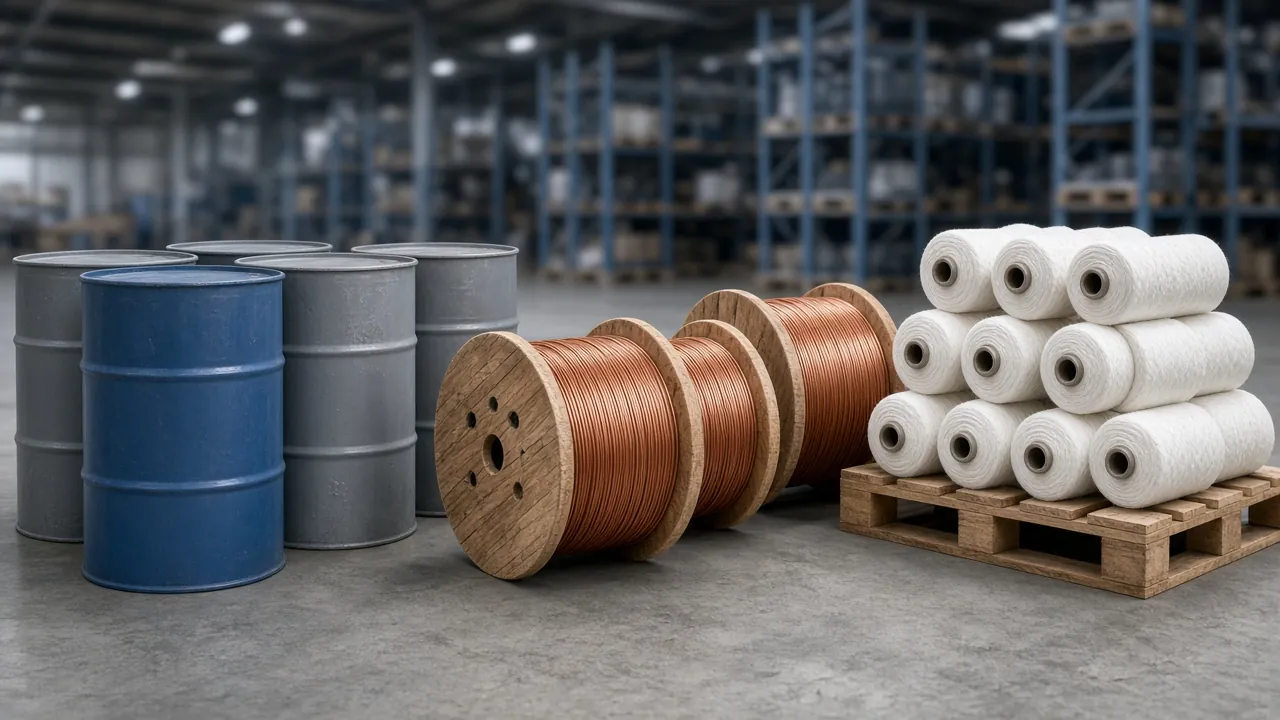
China's producer price index for industrial products (PPI) rose 5.7% in October 2026 from October 2025 and 0.7% from September, the National Bureau of Statistics (NBS) said on 9 November. The purchasing price index, which tracks what factories pay for inputs, rose 7.9% year on year and 1.1% month on month. On average from January to October, the PPI was 2.7% above the same period of 2025, and purchase prices 4.0% higher.
In the analysis by NBS chief statistician Dong Lijuan, the annual rise was 0.7 points above September's (5.0%), while the monthly gain slowed: it was 1.2% in September. During the month, international energy prices lifted oil and gas extraction (+6.0%) and coal mining (+2.7%). With cost pass-through and winter demand, petroleum refining and organic chemicals each rose 6.8%. According to the NBS, six energy-related industries accounted for about 0.61 points of the 0.7% monthly rise, more than 80% of the total.
Year on year, coal mining rose 36.6%; oil and gas extraction, 35.0%; petroleum, coal and other fuel processing, 29.9%; and chemical raw materials and chemical products, 16.4%, up from 12.1% in September. Non-ferrous metal smelting and rolling rose 18.6%, less than September's 21.4%. Chemical fibres rose 16.0%; electrical machinery and equipment, 6.2%; and computers, communications and other electronics, 5.9%.
At the other end, consumer goods were almost flat at the factory gate (−0.1% year on year): food −1.6%, clothing −1.3%, articles for daily use −0.7% and durables +1.4%. By industry, textile garments and apparel fell 1.0%; automobile manufacturing, 1.8%; non-metallic mineral products, 1.6%; and pharmaceuticals, 3.2%. Ferrous metal smelting and rolling (steel) rose only 0.4% on the year. Month on month, the NBS reported auto-industry prices flat after three months of declines.
On the consumer side, CPI inflation was 0.7% year on year, 0.2 points below September, and core inflation, excluding food and energy, was 0.8%. Gasoline rose 22.4%. Among electronics at Chinese retail, data-storage devices rose 45.4%, tablets 29.3%, computers 23.0% and mobile phones 16.7% year on year, according to the NBS.
CSP analysis: the data splits China sourcing into two groups. In industrial inputs (chemicals, synthetic fibres, copper and aluminium items, electronics), cost pressure shows up in the official numbers, and price-increase requests are likely to cite them. In light consumer goods, factory prices are flat or falling, which keeps room to negotiate. The PPI measures the ex-factory price at first sale, not the FOB export price; use it as a cost reference, not as a quote. This reading is ours, not the NBS's.
Original sources
- NBS (国家统计局): 2026年10月份工业生产者出厂价格同比上涨5.7% 环比上涨0.7%, 09/11/2026 09:30
- NBS (国家统计局): 城市司首席统计师董莉娟解读2026年10月份CPI和PPI数据, 09/11/2026 09:30
- NBS (国家统计局): 2026年10月份居民消费价格同比上涨0.7%, 09/11/2026 09:30
- NBS (国家统计局): 董莉娟解读2026年9月份CPI和PPI数据, 14/10/2026 (base de setembro)
- Sina Finance 7×24 (新浪财经): flashes do NBS, 09/11/2026 09:30–09:32
CSP take marks the newsroom's interpretation; everything else comes from the cited sources.
Read next
Sourcing Briefing
What changed in China sourcing, in your inbox every weekday.