Greater Bay mainland cities import 45.4% more through October
Trade through the nine mainland Greater Bay Area cities reached 9.46 trillion yuan from January to October, up 26%, six points faster than China as a whole, according to the Guangdong branch of the General Administration of Customs.
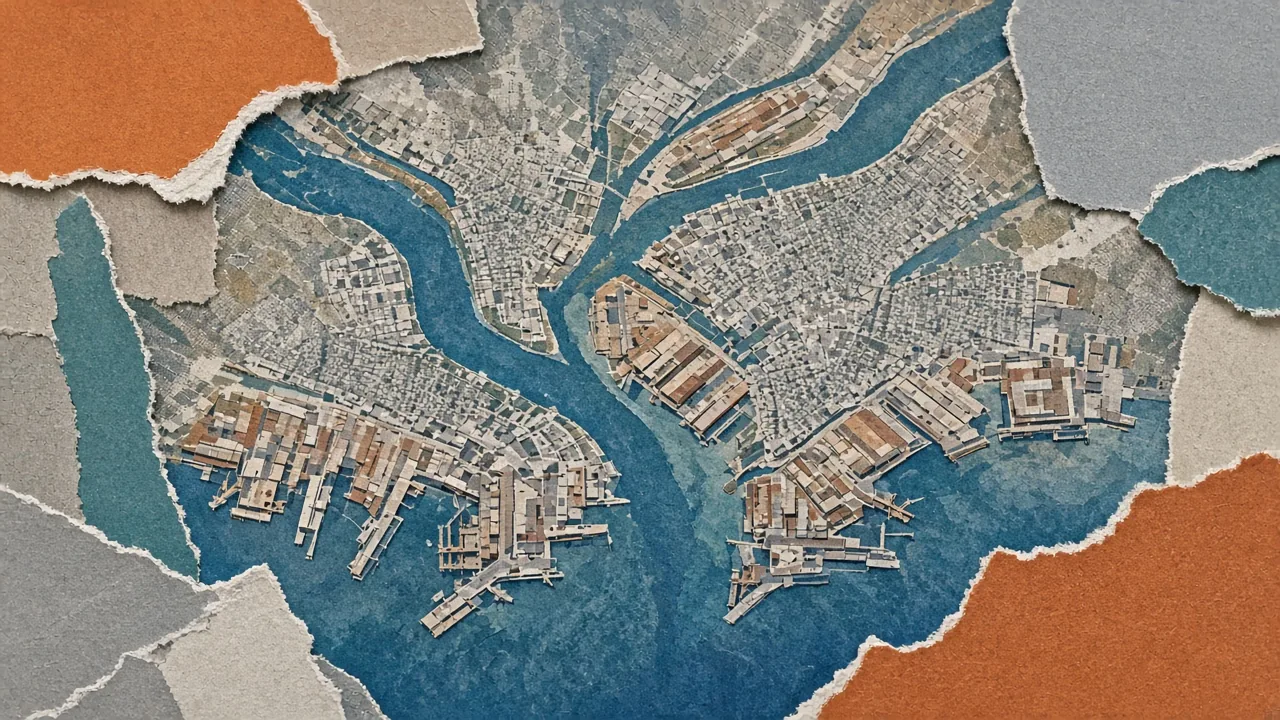
The nine Guangdong cities that form the mainland part of the Guangdong–Hong Kong–Macao Greater Bay Area (粤港澳大湾区) recorded 9.46 trillion yuan in foreign trade from January to October 2026. The figure combines imports and exports and rose 26% from the same ten months of 2025, six percentage points faster than China’s overall foreign trade, according to the Guangdong branch of the General Administration of Customs (海关总署广东分署). The numbers were reported by CCTV News (央视新闻) and carried by National Business Daily (每日经济新闻, NBD) and other outlets; every copy checked repeats the same figures. The customs website was not reachable at the time of reporting, and the note, as it reached the press, does not break down products or countries of origin.
Exports from these cities were 5.54 trillion yuan, up 15.1% in the same year-on-year comparison. Imports reached 3.92 trillion yuan and rose 45.4%, about three times the pace of outbound shipments. That gap — purchases growing much faster than sales abroad — is what marks the period.
The nine cities thus accounted for 21.1% of all Chinese foreign trade, one percentage point more than a year earlier. The national total for the same ten months, reported by the General Administration of Customs on November 10, was 44.81 trillion yuan, up 20%, which matches the six-point gap and the 21.1% share released now.
In the official plan, the mainland Greater Bay Area comprises nine Guangdong municipalities: Guangzhou, Shenzhen, Zhuhai, Foshan, Huizhou, Dongguan, Zhongshan, Jiangmen and Zhaoqing. Hong Kong and Macao are part of the area but are not included in this statistic. The customs note, as reproduced, does not say which products or origin countries drove the rise in purchases, or whether the jump was concentrated in any of these cities.
Faster import growth in southern China fits the national picture: through September, China’s imports were already growing faster than its exports, and the same pattern showed up in the country’s October data.
CSP view: for exporters in other countries, including Brazil, the jump in imports into these cities points to stronger demand for foreign goods in southern China. Without a product or origin breakdown, however, it is still not possible to say which sectors gained, or whether that demand reached Latin American suppliers. This reading is ours, not that of customs or of the outlets that published the figures.
Original sources
- CCTV News (央视新闻), via CCTV.com: Mainland Greater Bay Area nine cities’ trade reached 9.46 trillion yuan in the first 10 months, up 26% year on year (前10个月大湾区内地9市进出口9.46万亿元 同比增长26%), 13/11/2026
- China Economic Net (中国经济网), reprinting the CCTV News app (央视新闻客户端): Mainland Greater Bay Area nine cities’ trade reached 9.46 trillion yuan in the first 10 months, up 26% year on year, 13/11/2026, 09:13
- National Business Daily (每日经济新闻), via Eastmoney (东方财富): Mainland Greater Bay Area nine cities’ trade reached 9.46 trillion yuan in the first 10 months, up 26% year on year (credits CCTV News), 13/11/2026
- Yicai (第一财经): Mainland Greater Bay Area nine cities’ trade reached 9.46 trillion yuan in the first 10 months, up 26% year on year (credits CCTV News and the GACC Guangdong branch), 13/11/2026, 09:04
- China Daily (中国日报网), reprinting the CCTV News app (央视新闻客户端): Mainland Greater Bay Area nine cities’ trade reached 9.46 trillion yuan in the first 10 months, up 26% year on year, 13/11/2026
CSP take marks the newsroom's interpretation; everything else comes from the cited sources.
How to cite: China Sourcing Post (chinasourcingpost.com), “Greater Bay mainland cities import 45.4% more through October”, 2026-11-13. https://chinasourcingpost.com/en/news/greater-bay-mainland-cities-imports-rise-january-october-2026/
Read next

More in Macro economy
Sourcing Briefing
What changed in China sourcing, in your inbox every weekday.