China scraps standard used to sell wool as “sheep cashmere”
China’s market regulator has annulled, with immediate effect, an association standard that defined the term “绵羊绒”. According to SAMR, businesses used it to sell sheep wool as if it were cashmere.
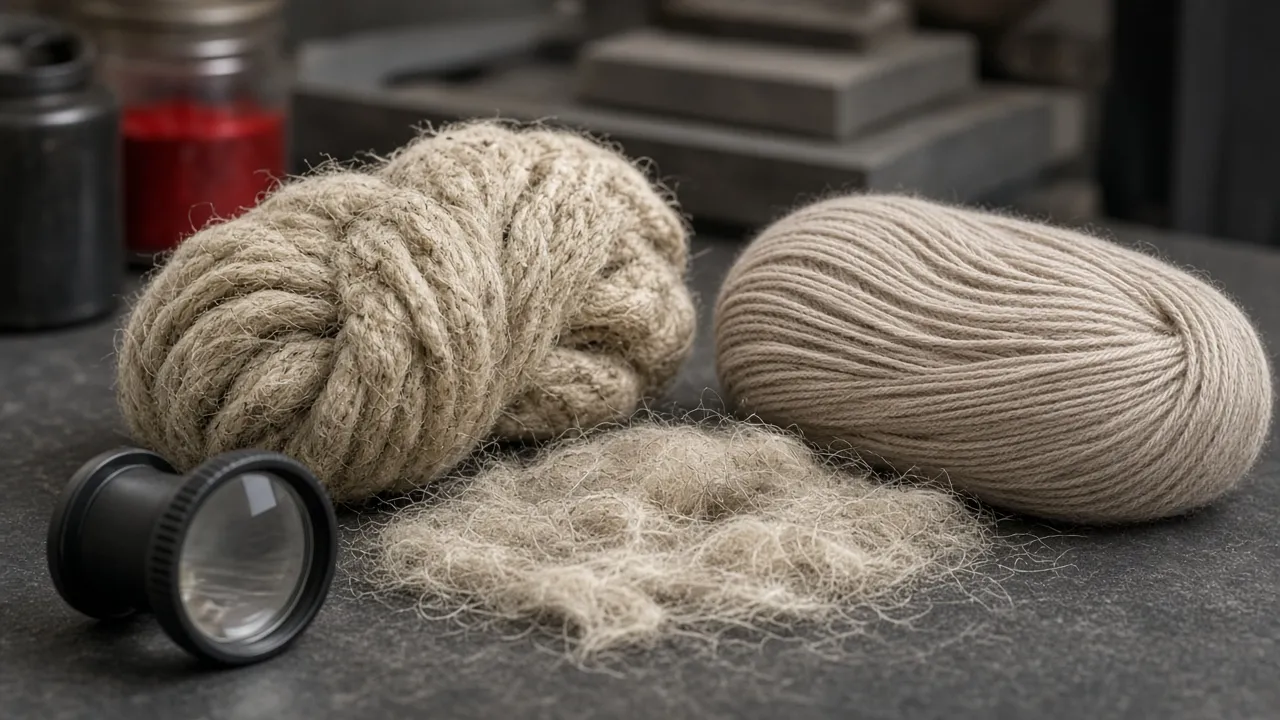
China’s State Administration for Market Regulation (SAMR) said on 5 November that it had served China’s animal products trade association (中国畜产品流通协会) with a decision annulling, with immediate effect, association standard T/CAPMA 9—2025, “Technical specification for the trade of 绵羊绒”. The term can be translated as “sheep cashmere”. The annulment was posted on the national standards information platform.
According to SAMR, the standard’s definition of “绵羊绒” does not meet national standards such as GB 1523—2013 (Sheep wool) and GB/T 11951—2018 (Natural fibres: terminology) and breaches China’s Standardization Law. The regulator cites unlawful content and an irregular drafting procedure. After it was published, SAMR says, the standard was used by some businesses in false advertising: combed sheep-wool products were sold as “绵羊绒”, blurring wool and cashmere and misleading consumers.
The case came to light on 20 September on CCTV’s Weekly Quality Report. In Qinghe, Hebei province, a shop sold “100% 绵羊绒” garments that, according to the seller, were sheep wool. In Jiaxing, Zhejiang province, a trader in Xiuzhou district said the product sold under that name was purely synthetic fibre. According to the report, the standard defined as “绵羊绒” the finest sheep-wool fibres, up to 30 micrometres in diameter, separated during combing. The report added that under the natural fibre terminology standard, only the fine down of goats, camels and yaks may be called “绒”.
Experts interviewed by CCTV said raw goat cashmere, once dehaired, costs 600 to 800 yuan per kilogram, and combed sheep wool 40 to 60 yuan per kilogram: a gap of more than 10 times. At the time, SAMR had already issued a correction order requiring the association to annul the standard. On 21 September, according to a CCTV item republished by state radio CNR, Qinghe county said it would check and correct the problems, and that the local market regulator and the cashmere industry service centre would step up spot checks on shops.
SAMR says it will continue its special campaign against irregular association standards. Targets include associations that issue standards beyond the scope of their charter, standards that conflict with laws and mandatory standards, standards drafted without following procedure, and fees charged for drafting standards.
CSP take: association standards (团体标准, “T/” codes) are drafted by industry associations, not by the state, and can be cited in catalogues and spec sheets. This case shows that a “T/” code on a supplier’s spec sheet does not guarantee the term is accepted by national standards. For knitwear and yarn made from animal fibre, buyers should require in the contract the composition with legal fibre names (山羊绒 for goat cashmere, 绵羊毛 for sheep wool) and an independent lab report. This reading is ours, not the sources’.
Original sources
- SAMR (市场监管总局): nota sobre a anulação da T/CAPMA 9—2025, 05/11/2026
- China News Service (中新网), 05/11/2026
- CCTV, Relatório Semanal de Qualidade (每周质量报告), 20/09/2026, via 温州网
- CNR (央广网): resposta do condado de Qinghe, 21/09/2026
CSP take marks the newsroom's interpretation; everything else comes from the cited sources.
Read next
 Textiles & apparel
China updates its performance sportswear standard and adds a PFAS requirement
 Regulation
China issues new outbound investment rules, effective December 1
 Regulation
Hainan details free port rules: goods with 30% value added on the island get special treatment
Sourcing Briefing
What changed in China sourcing, in your inbox every weekday.