China updates its performance sportswear standard and adds a PFAS requirement
GB/T 21980-2026 has applied since November 1 to sportswear and protective equipment made mainly of woven fabric. China’s market regulator says it gives a unified technical basis for making, testing and buying these products.
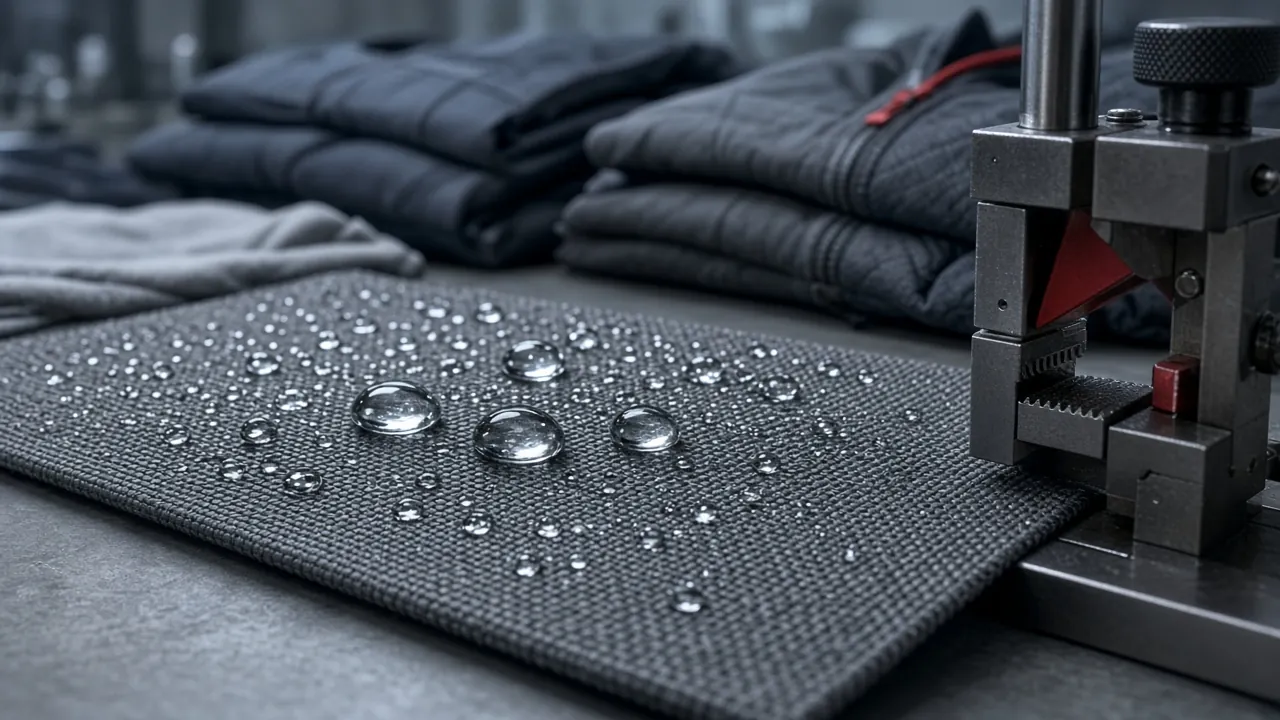
China’s State Administration for Market Regulation (SAMR) said on November 3 that national standard GB/T 21980—2026, “General technical specification for performance sportswear and protective equipment”, has been in force since November 1. Issued on April 30 by SAMR and the Standardization Administration of China, it fully replaces the 2017 version. SAMR says the standard provides a unified technical basis for producing, testing and buying these products.
The scope is specific. The standard covers performance sportswear and protective equipment made mainly of woven fabric (机织物) and does not apply to clothing for babies aged 36 months or under. Products for children over 3 and up to 14 must also meet safety standard GB 31701.
According to the standard’s foreword, the new version adds requirements for per- and polyfluoroalkyl substances (PFAS), breaking strength, bursting strength, pilling, seam strength in other parts of the garment and appearance after washing and drying. It also adds windproofing, thermal insulation, antistatic, antibacterial and deodorising performance, and changes the requirements for quick drying and hydrostatic pressure resistance. The 2017 version’s ultraviolet protection requirement was removed. PFAS testing follows method GB/T 31126.1.
SAMR says the standard tightens durability requirements such as breaking strength, pilling and appearance after washing, to prevent open seams, tears, pilling and poor wash durability under heavy use. Quick-dry garments are assessed on water absorption, drip diffusion time, wicking height and drying rate; antibacterial ones on bacterial inhibition rate; thermal ones on heat retention rate; and odour-control ones on odour-compound reduction. On appearance, yarn skew in the collar, body, sleeves and trousers may not exceed 3%.
This is the standard’s second revision; it was first issued in 2008 and revised in 2017. It is a recommended national standard (the “T” in GB/T), not a mandatory one. Its drafters include textile testing bodies in Shanghai and Fujian and Chinese brands such as Anta, Li Ning and Toread (探路者).
CSP take: for Brazilian importers of sportswear, uniforms or textile protective gear, GB/T 21980-2026 is a ready-made checklist of what to ask a Chinese supplier for. Because the standard is recommended, it only carries weight in a negotiation if the contract or spec sheet cites the 2026 version and a laboratory test report. Knitted garments, common in sports T-shirts, fall outside this scope and need their own specification. This reading is ours, not SAMR’s.
Original sources
- SAMR (市场监管总局): nota sobre a entrada em vigor da GB/T 21980—2026
- Plataforma nacional de normas (全国标准信息公共服务平台): ficha da GB/T 21980-2026
- Prévia do texto da norma (prefácio e escopo), via gb-gbt.com
- China News Service (中新网)
- chinastandards.org: ficha da GB/T 21980-2026 (tipo recomendado)
CSP take marks the newsroom's interpretation; everything else comes from the cited sources.
Read next

Sourcing Briefing
What changed in China sourcing, in your inbox every weekday.