Guangzhou and Hong Kong customs open air corridor for imported fruit
On 6 November, Guangzhou Customs and Hong Kong Customs signed the MoU for an inbound-fruit air-transit lane via Hong Kong to Baiyun Airport; the legal basis is the GACC revision in force since 1 November.
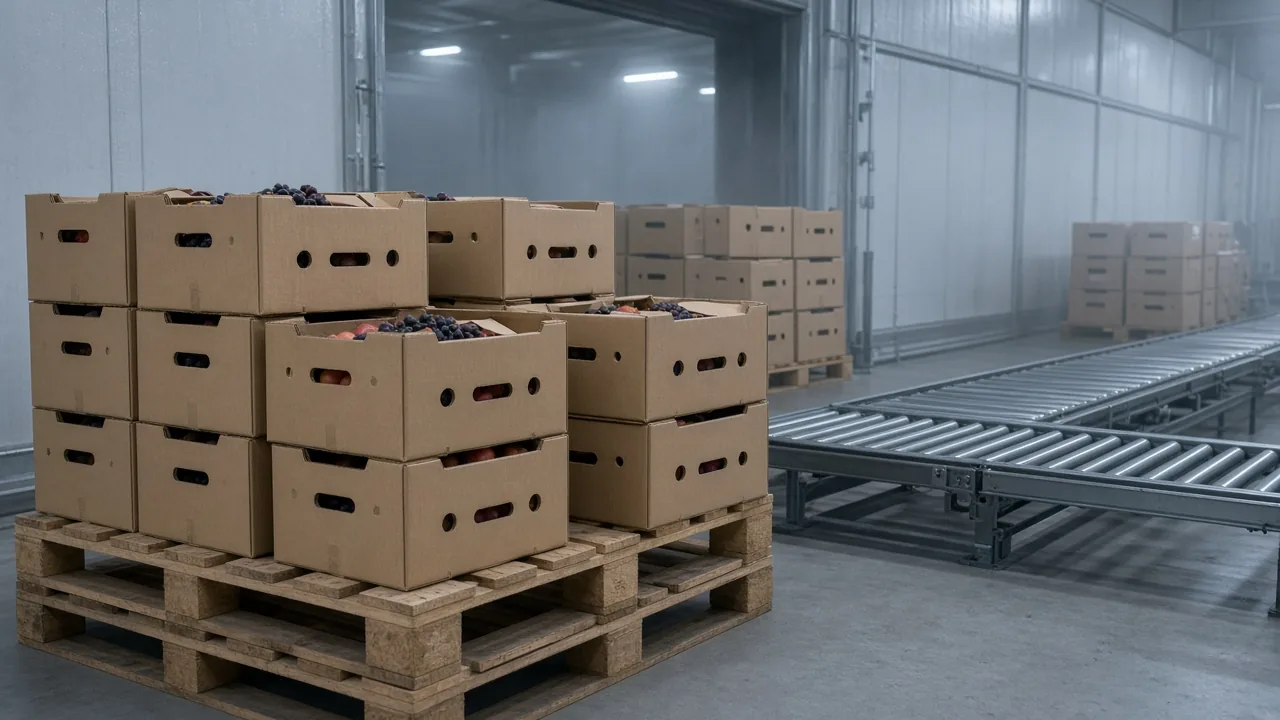
On 6 November 2026, Guangzhou Customs and Hong Kong Customs signed in Guangzhou a regulatory-cooperation memorandum on inbound fruit air transit via Hong Kong Airport to Guangzhou Baiyun International Airport — full title, per Nanfang+: 《广州海关 香港海关关于进境水果经香港机场空运中转白云机场监管合作备忘录》. The same day they launched the “Guangzhou–Hong Kong inbound fruit air-transit special lane” (穗港进境水果空运中转专线). China News Service (CNS Guangzhou), Hong Kong’s Wen Wei Po and Guangzhou Daily (Dayoo) carried the signing on the evening of the 6th.
The operating design in the sources: fruit making air-to-air transit (空空中转) at Hong Kong International Airport is supervised by Hong Kong Customs, which issues a transfer confirmation (转运确认书); on arrival at Baiyun Airport, Guangzhou’s airport customs completes clearance. Reports place the step under deeper “information sharing, mutual recognition of supervision and mutual assistance in enforcement” between the two customs administrations, while keeping the biosecurity and food-safety line.
The legal basis cited is the revised Measures on Inspection and Quarantine Supervision of Inbound Fruit, in force since 1 November 2026. GACC Order No. 283 — “Decision on Amending Certain Regulations,” published 27 April 2026 and effective 1 November — amends the Hong Kong/Macau transit article. The text republished in the State Council Gazette says: fruit transiting Hong Kong or Macau shall, as a rule, move in containers and enter with the original box (原箱), original packaging and original phytosanitary certificate; “in special circumstances, with GACC consent, fruit in air transit enters with original packaging and the original phytosanitary certificate.” That second sentence — the special air regime — is what the reports tie to the Guangzhou–Hong Kong MoU: air transit no longer requires the 原箱 of the container regime.
Sources also sketch the market context: Guangzhou is a major southern China hub for distributing imported fruit; in peak season, direct flights from origin into Baiyun saturate (“cargo waiting, no aircraft”). Hong Kong concentrates more freighters and routes into fruit-growing regions and has a mature cold chain; transit via Hong Kong expands effective capacity into Baiyun without relying only on a direct flight. Nanfang+ and China News Service cite, “per enterprise estimates,” about 200 tonnes of additional fruit-import capacity at the Baiyun air port in the mechanism’s first month — an enterprise estimate, not an official customs target.
CSP take: for anyone selling fresh fruit into China or arranging the freight, the practical point is operational, not a new phytosanitary deal with the origin country. The MoU does not replace quarantine licences, the origin phytosanitary certificate or GACC species/country access lists. It opens (or formalises) a Hong Kong→Baiyun corridor under the revised Art. 15, useful when direct lift into Guangzhou is full or missing. Checklist with your forwarder: (1) lot eligible for special air transit with GACC consent; (2) original packaging and phytosanitary certificate preserved; (3) Hong Kong Customs transfer confirmation; (4) clearance at Baiyun Airport Customs. Do not generalise the Guangzhou–Hong Kong lane to every mainland airport — the sources speak to this corridor. This reading is ours, not the sources’.
Original sources
- China News Service (中新网/中新社广州): 穗港海关签署“穗港进境水果空运中转专线”监管合作备忘录, 06/11/2026 21:27
- Nanfang+ (南方+): 穗港进境水果空运“新干线”启用;cita o título integral do memorando, 06/11/2026
- Wen Wei Po (香港文汇报): 穗港海关签署合作 进境水果空运中转专线启动, 06/11/2026 20:16
- Guangzhou Daily Dayoo (广州日报大洋网): 粤港澳大湾区添全球鲜果进口新通道, 06/11/2026
- GACC (海关总署令第283号) / Diário do Conselho de Estado: 海关总署关于修改部分规章的决定 — Art. 15 da 《进境水果检验检疫监督管理办法》 (pub. 27/04/2026, vigência 01/11/2026)
CSP take marks the newsroom's interpretation; everything else comes from the cited sources.
Read next
 Logistics
China opens air cargo routes from Zhengzhou to DHL’s UK hub and from Hefei to India
 Steel and shipbuilding
China wins 81.8% of global new ship orders in 2026 as construction steel loses steam
 Logistics
China’s logistics cost falls to 13.8% of GDP as smart band shipments jump 77%
Sourcing Briefing
What changed in China sourcing, in your inbox every weekday.