Tangbuy founder, a 1688 veteran, says factories see viral products weeks before TikTok
Jess Gao spent 14 years at Alibaba and led 1688’s cross-border division before founding Tangbuy in 2024. The company combines software, account managers and its own warehouse for online stores in their growth stage.
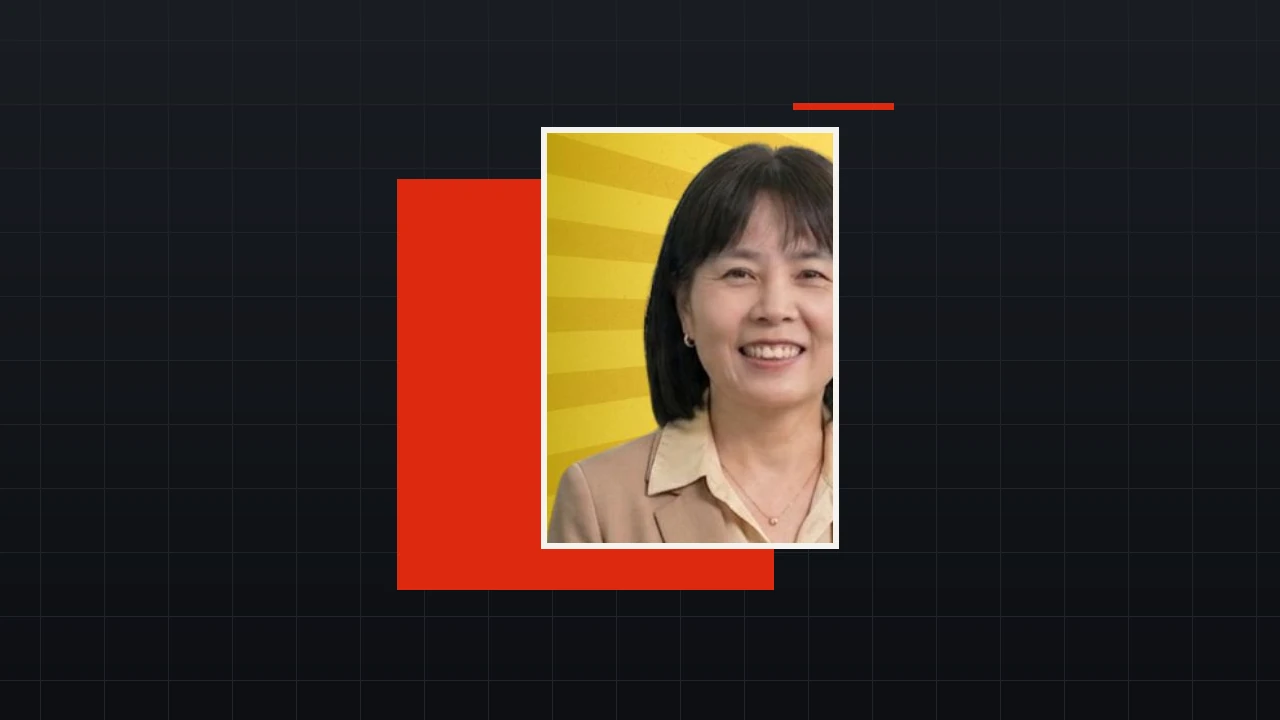
By the time a product blows up on TikTok, the factory has already seen the wave coming. That is what Jess Gao, founder of Tangbuy, says in an interview published on April 26 by Hong Kong entrepreneur Marcel Chan, who teaches e-commerce courses. “Orders for that product at the factory may have spiked two or three weeks, or even months, earlier,” she said. The reason, she says, is simple: every new product needs a factory to make it. As an example, she showed a two-piece car phone holder that, by her estimate, should reach Amazon a few months later.
She also says trending products are lasting less. About two years ago a bestseller held up for 18 months; now it lasts 6 to 8 at most. And trends move from region to region: a hit in the United States can take off six weeks later in Germany or France, or skip Europe and go straight to Mexico.
Jess Gao worked at Alibaba for 14 years, in seven or eight units, including Taobao, Tmall, Alipay and Alimama, the group’s advertising arm. At 1688, Alibaba’s wholesale site for the Chinese market, she worked on the “Super Factory” programme, which she says built a team of about 3,000 people to work with more than 10,000 of China’s top factories. She later led the cross-border division. She holds a PhD in cognitive science.
Tangbuy was founded in 2024 by former Alibaba staff and, in 2025, shifted its focus to small and mid-sized stores. Jess Gao describes three layers. The first is software: its Smart Match tool compares a connected store’s products with factory-direct prices, and many sellers, she says, find gaps of 20% to 30%. The second is account managers who negotiate minimum orders, prices and customisation, and know, for example, when the same product is cheaper in Guangdong or in Zhejiang. The third is a 40,000 m² self-run warehouse, with inspection and a photo report for every batch, inbound handling in 2 hours, purchasing in 24 hours and international dispatch within 96 hours. Capacity, she says, is 40,000 orders a day.
The company says it charges no subscription or platform fee: sellers pay when they place an order. There is a discount from 10 pieces and 90 days of free storage. The day before the interview, Tangbuy had launched an iOS and Android app. By the company’s statistics, there are about 500,000 small and mid-sized online sellers worldwide, with revenue of US$5,000 to US$50,000 a month, and 50,000 to 100,000 new ones appear every month. Tangbuy’s audience, according to Jess Gao, is what she calls “growth-stage” sellers: they sit between large sellers, served by enterprise suppliers, and beginners, who use AliExpress, spreadsheets or agents who work by hand.
For beginners, she recommends working out the real margin before selling: product cost, international freight, ads, returns of 3% to 5% depending on the category and a handling fee of about 5 yuan per order. And ordering a sample first. Own brand, custom packaging and certifications, she says, come only after the product proves it sells.
CSP take: the interview was aimed at Hong Kong sellers and does not mention Brazil. Even so, its central argument applies to Brazilian importers: those close to the factory see demand before those who only watch social media. Tangbuy’s figures are the founder’s statements, not independently verified. This reading is ours, not Tangbuy’s.
Original sources
- Marcel Chan (marcelchan.com): entrevista com Jess Gao, fundadora da Tangbuy, parte 1, 26/04/2026
- Tangbuy Dropshipping: site da empresa
CSP take marks the newsroom's interpretation; everything else comes from the cited sources.
Read next
 Startups · AI in trade
Chinese startups are selling exporters AI salespeople that prospect for buyers abroad
 Startups · AI in trade
A three-month-old Shanghai startup wants AI agents to bridge factories and buyers
 Startups · Custom parts
Shanghai’s Haizol bets on AI agents to quote custom parts from Chinese factories
Sourcing Briefing
What changed in China sourcing, in your inbox every weekday.