AI swallows 70% of advanced memory, pushing up phone and laptop costs
Contract DRAM nearly doubled in the first half and NAND rose more than 50%. Memory is now over 30% of a phone’s bill of materials.
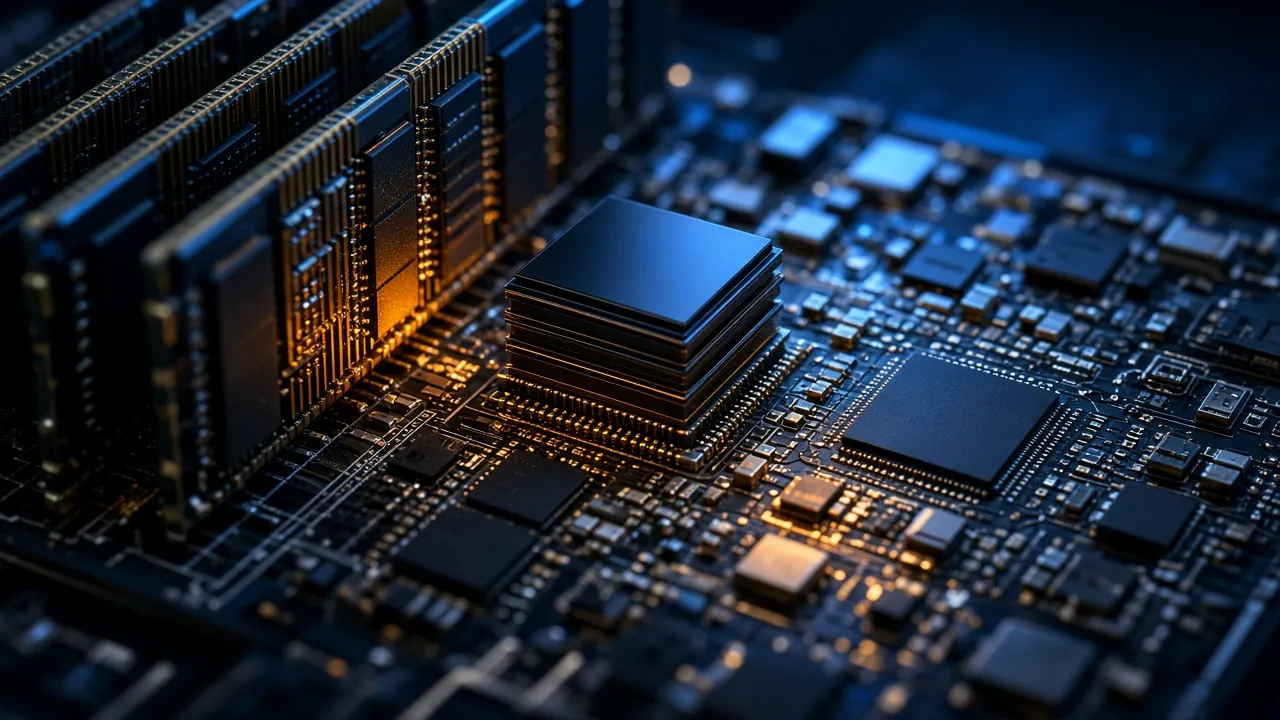
A China News Service report republished by the 21st Century Business Herald on November 1 describes how AI demand is absorbing memory production capacity. About 70% of advanced memory capacity now goes to AI data centres, leaving phones and computers to fight over the remaining 30%.
The effect shows in prices. In the first half, contract prices for general-purpose DRAM nearly doubled and NAND flash rose more than 50%. A 12 GB phone memory went from 200 to nearly 600 yuan, and a 1 TB flash chip from just over 200 to 600 yuan. Memory, once 10% to 15% of a smartphone’s bill of materials, now exceeds 30%, approaching 50% in high-storage models.
The reason is HBM, the stacked memory used in AI chips, which takes 2 to 3 times the wafer area of standard memory. According to DigiTimes, cited in the report, HBM4 will cost about US$2 per GB in the second half of 2026 and US$4–5 per GB in 2027; JPMorgan expects HBM average prices to rise 54% in 2027. Samsung, SK Hynix and Micron will invest more than US$50 billion combined in 2026, nearly all in HBM and server DRAM, and a new fab takes at least two years to produce.
CSP take: memory inflation reaches importers as price-list increases or products with less memory at the same price. In electronics, check each lot’s specs and negotiate adjustment clauses tied to a public index. This reading is ours, not the source’s.
Original sources
CSP take marks the newsroom's interpretation; everything else comes from the cited sources.
Read next
 Steel and shipbuilding
China wins 81.8% of global new ship orders in 2026 as construction steel loses steam
 EVs and energy
Chinese electrified vehicles reach US$5.9 billion in Brazilian imports despite a 35% tariff
 Agrifood
China becomes a net chicken exporter as purchases from Brazil fall 48%
Sourcing Briefing
The news that matters to anyone buying from China, Monday to Friday.